
Art Finance with Alt/Finance

What’s happening in the art market? This is an asset class we don’t know much about.

So we turned to Sharon Obuobi to learn more. Sharon is co-founder and CEO of NYC-based Alt/Finance, a New York based alternative market intelligence company that provides institutional-grade comprehensive alternative asset data solutions. As a data provider on AWS Data Exchange and Google Cloud Marketplace, Alt/Finance delivers datasets on assets including aircraft, automobiles, fine art, gemstones, handbags, jewelry, motorcycles, real estate, sports memorabilia, watches and wine/spirits.

In 2023, Alt/Finance participated in the Fintech Sandbox Data Residency and in 2024 took part in Demo Day 10. Also in 2024, Alt/Finance was part of the Accenture Fintech Innovation Lab New York where the team collaborated with the top private banks and asset managers to develop new solutions for the alternative assets market.

In addition to its alternative data solutions, Alt/Finance provides private credit matching services to help collectors access capital using their alternative assets as collateral. This service is most common with art lending where art collections are used as security on loans from private banks (i.e.: Bank of America, Citibank, Morgan Stanley) and specialized art lenders.

Sharon Obuobi is co-founder and CEO of NYC-based Alt/Finance
Sharon Obuobi, co-founder and CEO of Alt/Finance

Q. Sharon, what is the advantage to the buyer of using credit to acquire art?

The primary advantage is liquidity preservation. Our clients – particularly high net worth collectors – prefer to maintain their cash position for other investments or opportunities while still being able to acquire important works. Art financing allows them to diversify their risk rather than concentrating large amounts of capital in a single asset class. Additionally, with our platform, collectors can access multiple lending options simultaneously, ensuring they get the best rates and terms. We’ve also seen collectors use art loans strategically for tax planning purposes, and some use the financing to acquire works they intend to donate, maximizing the tax benefits.

Q. What percentage of the purchase price can you usually borrow?

Through our lending network, we typically see loan-to-value ratios of 50-70% for established works by recognized artists. For new acquisitions, we usually facilitate loans at 50-60% of the purchase price, while loans against existing collections can go up to 70% depending on the quality and liquidity of the collateral. Our platform’s unique advantage is that we provide real-time market data to support these valuations, which helps lenders feel more confident extending higher loan-to-value ratios. Some of our institutional lenders offer up to 100% financing in certain cases, particularly for museum-quality pieces or works with strong auction records and depending on the nature of the deal.

Q. Are art loans being securitized?

Q. We’re starting to see early experiments in art loan securitization, though it’s still a nascent market. The challenge has been the lack of standardized data and risk assessment tools – which is exactly what Alt/Finance is solving. Some lenders require the use of other assets like stock portfolios as additional security when providing art loans. Our comprehensive database of both public and private sales provides the kind of historical performance data that’s essential for securitization. We’re working with several institutional partners who are exploring pooled art lending products, and our data infrastructure is designed to support the kind of risk modeling that makes securitization possible. I expect we’ll see more structured products emerge as the market matures and as data standardization improves.

Q. Are borrowers who are faced with margin calls ponying up additional cash or better art?

We’re seeing a mixed response. Some borrowers facing margin calls are providing additional collateral rather than cash – often by pledging other works from their collection. This is where our platform’s portfolio management tools become crucial. We help collectors understand the relative values and liquidity of different pieces in their collection, making it easier to make strategic decisions about which works to pledge as additional collateral. Other borrowers either pay down the loan or, in some cases, decide to sell the work. Our data shows that collectors with more diversified collections – both in terms of artists and mediums – are better positioned to weather these margin calls.

Q. How do you determine the value of a work of art? The most recent sale is obviously a starting point but might not be a good estimate today particularly if the seller is under pressure? It seems inherently subjective.

This is exactly the problem Alt/Finance was built to solve. Traditional valuation methods rely too heavily on the last sale, which as you note, can be misleading. Our platform aggregates data from both public auctions and private sales – we’re the only provider tracking the full market, not just the 40% that happens at public auction. We use AI-powered analytics to consider multiple factors: comparable sales, artist market trends, medium and size variations, provenance, condition reports, and market sentiment indicators.

We also track distressed sales separately, so we can distinguish between market-rate transactions and pressure sales. Our indices account for time decay, market conditions, and liquidity factors. For example, if an artist’s auction results have been declining but private sales remain strong, our models weigh that accordingly. The key is having comprehensive data – which is why we track art fairs, private dealer sales, and institutional transactions in addition to auction results.

Q. If I’m buying on credit, do I have to agree in advance to the lender’s rules on where and how the art is stored, insured, and displayed? Can I still take it home?

This varies significantly by lender, which is why our platform is so valuable – we match borrowers with lenders whose terms align with their needs. Most lenders require comprehensive insurance and will specify approved storage facilities for high-value works. However, many of our lending partners do allow borrowers to display works in their homes, provided they meet certain security and insurance requirements.

For works under $5 million, we often see more flexible arrangements where the collector can keep the piece at home with appropriate insurance and security measures. For higher-value works, some lenders require professional storage or limit display time. Our platform helps collectors understand these requirements upfront and find lenders whose terms match their intended use of the artwork. We’ve found that transparency about these requirements during the matching process leads to much smoother transactions.

Q. What will happen to demand for art-backed lending if the art market softens? Will it go down because buyers become more conservative or up as owners need liquidity?

We’re anticipating increased demand for art-backed lending, particularly for liquidity purposes. While acquisition financing may decrease as buyers become more conservative, collectors who don’t want to sell in a down market are increasingly using their art as collateral to access liquidity for other needs. Our data shows that lending against existing collections actually increases during market downturns. The key is having accurate, real-time valuation data to properly assess risk. Lenders need better data to make informed decisions in volatile markets, and borrowers need access to multiple lenders to ensure they can still access capital even if individual lenders tighten their criteria.

Q. Is it safe to say that nobody is lending to help you purchase NFTs?

That’s largely accurate for traditional lenders in our network. The volatility and lack of an established market for NFTs make them more challenging as collateral for most institutional lenders. The fundamental issue is that NFTs currently lack the historical price performance data and institutional recognition with museums that traditional art lending relies on. As we see more accumulated performance history, mainstream art lenders may start to embrace these more. We’re continuously monitoring this space and building data infrastructure that could support NFT lending if the market develops the necessary stability and transparency.

Q. What’s next for Alt/Finance?

We’ve just released a wide variety of index data products to help our financial institution clients and luxury retail firms monitor the markets with a thematic focus. Whether you’re analyzing the price performance of watches, classic cars, aircraft or fine art, Alt/Finance has curated a range of index solutions which help you to streamline your market research. These are available for data subscription directly on www.altfndata.com or through the AWS Data Marketplace.

# # #

The New Faces of Fintech — Featuring Tenure

While we may not know exactly how fintech will impact our future, we have an idea as to who will be leading the charge. In the next installments of our ongoing blog series, “The New Faces of FinTech”, we will spotlight some of the emerging leaders in the fintech world to get their thoughts on what the future of the industry will look like.

Their origin stories are different, their paths to entrepreneurship are unique, but their impacts on their respective industries are significant. No one truly knows what the future of fintech holds, but these industry leaders may have an inkling as to what we can expect.

Our next guest is Jonathan Hillis, Founder & CEO of Ontario-based Tenure, an AI-powered employee rewards, recognition, and savings platform designed to improve company culture and drive new business.

jonathan-hillis

Jonathan, tell us a little bit about your background. What were you working on before founding this company?

My journey has been a thrilling ride marked by a fervor for change and a relentless drive to make a real impact. Growing up immersed in the world of a family-run business called Pride Signs LTD, I cut my entrepreneurial teeth at a young age. Yet, I’ve always been drawn to what lies beyond the horizon, which is why Tenure marks my third venture into the exciting realm of startups.

My journey isn’t just about business; it’s about transformation. I had the incredible opportunity to lead a family brokerage through a remarkable rebranding and revitalization journey, ultimately engineering its sale for an impressive $36 million. This experience solidified my belief in turning challenges into opportunities and uncovering hidden potential where others may not.

But it’s more than just business acumen that drives me. It’s an insatiable desire to create a positive impact and improve lives. My path has been marked by life-altering decisions taken even in the face of seemingly insurmountable odds because I genuinely believe I’m here to bring about change on a global scale.

And that’s where Tenure comes into play. It’s not just another startup; it’s a lifelong mission. Tenure embodies a disruptive force poised to revolutionize employee engagement and financial wellness. I’m not just a founder; I’m on a mission to empower individuals, transform workplaces, and change lives.

Tell us a bit about your company? What’s the problem you’re solving?

Tenure is on a mission to transform the employee benefits landscape. We’re addressing a long-standing issue in workplaces across the board. Imagine this scenario: you’re a hardworking employee, and as part of your compensation, your employer offers you a benefits and rewards package. Sounds great, doesn’t it? But here’s the catch – you often have little say in where those benefit and reward dollars go. It’s like receiving a gift that doesn’t quite fit, leaving you feeling undervalued and frustrated. This lack of control over your own rewards and benefits can lead to voluntary turnover.

At Tenure, we believe that employees should have a significant say in how they’re rewarded. We’re developing a platform that empowers you to manage and tailor your compensation package to your financial goals, whether it’s saving, investing, or achieving other financial milestones.

But we’re not stopping there. We’re introducing the concept of portability – the ability to carry your benefits and rewards with you as you transition between companies. No more interruptions, no more coverage gaps, and no more starting from square one. Tenure empowers individuals to maximize their hard-earned rewards, ultimately enhancing job satisfaction, engagement, and financial security. We’re not merely solving a problem; we’re reshaping the way companies and employees approach employee benefits, making them more personal, transferable, and aligned with individual needs, regardless of your career journey.

What’s the origin story behind your company? How and why did you come up with the idea?

The origin of Tenure is deeply rooted in personal experiences and a genuine desire to revolutionize the workplace. I grew up in a family-run business called Pride Signs LTD, where I witnessed firsthand the incredible impact of prioritizing employee well-being. In this nurturing environment, we managed to maintain an astonishingly low 8% turnover rate in a 150-person company. It was proof that when you take care of your people, they take care of your business. 

However, life has a way of showing you both sides of the coin. Despite being a part of a thriving business, I also found myself in a horrendous working environment at one point. It was an eye-opening experience to see how even in seemingly successful organizations, toxic cultures and unhealthy practices could prevail. It was during these contrasting periods of my career journey that the seeds of Tenure were sown. The idea sprouted from a genuine desire to create workplaces where employees wouldn’t have to endure what I went through during those challenging times. 

We are a team that has collectively experienced both the best and the worst of employee cultures, and that shared understanding fuels our determination to make every workplace a better place to work. We want to eliminate the stress, frustration, and disconnection that can plague employees and replace them with environments that foster well-being, job satisfaction, and thriving careers. Tenure’s journey is a testament to our unwavering commitment to transforming workplaces for the better.

What milestones has your company achieved so far?

We have over 15 customers and 1500 users signed up for our paid pilot in just 6 months. We have 8 employees – all vision-driven to bootstrap this start up to market and positively affect culture changes in forward thinking organizations.

Can you describe what it’s been like to be part of the Fintech Sandbox community?

Being part of the Fintech Sandbox community has been an exciting and promising experience for Tenure. While we’ve recently joined, the warm welcome and support from the team at Fintech Sandbox have been outstanding. We’re particularly thrilled about the prospect of collaborating with their esteemed data partners, which opens up incredible opportunities for innovation and growth.

Looking ahead, we are filled with enthusiasm for what the future holds within this vibrant community. We’re eager to become more deeply involved, working alongside fellow innovators to build exceptional products that will shape the future of financial technology. Beyond that, we’re also committed to giving back and contributing to the growth and success of the Fintech Sandbox ecosystem. The journey has just begun, and we can’t wait to see where it takes us.

What’s next for your company?

The future for Tenure is both promising and dynamic. Our immediate focus is on further developing and refining our platform to ensure it offers the most effective and user-friendly solution for companies and their employees. We’re also actively expanding our network of partners and data providers to enhance the depth and breadth of benefits and rewards we can offer.

Looking ahead, we aim to continue growing our user base, forging strategic partnerships, and making a meaningful impact on the lives of employees by helping them take control of their financial well-being. Ultimately, our goal is to be the go-to platform for creating human-centric workplaces, where employees have agency over their benefits, rewards, and financial futures. We’re excited about the journey ahead and the opportunity to make a positive difference in the world of employee engagement and financial wellness.

What is some of the best advice you’ve received as a startup founder?

Know the things you do well and the things you suck at! Understanding yourself as a founder is key to knowing where you need help and support. But don’t always trust every piece of advice you get, there is no perfect formula for startups – they all have their own intricacies.

What fintech trends are you most excited about right now?

I’m truly excited about the current trends in fintech, particularly those related to financial wellness, personalization, and data-driven insights. Fintech companies are increasingly focused on improving individuals’ financial well-being, and Tenure is at the forefront of this movement. The ability to provide employees with personalized benefits and rewards, coupled with data-driven insights to help them make informed financial decisions, is a game-changer.

Moreover, the fintech industry’s emphasis on innovation and collaboration is inspiring. The potential for partnerships and integrations with other fintech and financial services providers opens up countless possibilities for enhancing the user experience and delivering even more value to our customers.

What’s the most interesting thing you’ve read recently?

I would have to say Dragon Masters! It’s a kids book that my son reads to me before bed to practice reading. For a children’s book it has some great back story and character development, and it’s something I will always cherish as Father, that I get to do with my son.

The New Faces of Fintech — Featuring Paylow

While we may not know exactly how fintech will impact our future, we have an idea as to who will be leading the charge. In the next installments of our ongoing blog series, “The New Faces of FinTech”, we will spotlight some of the emerging leaders in the fintech world to get their thoughts on what the future of the industry will look like.

Their origin stories are different, their paths to entrepreneurship are unique, but their impacts on their respective industries are significant. No one truly knows what the future of fintech holds, but these industry leaders may have an inkling as to what we can expect.

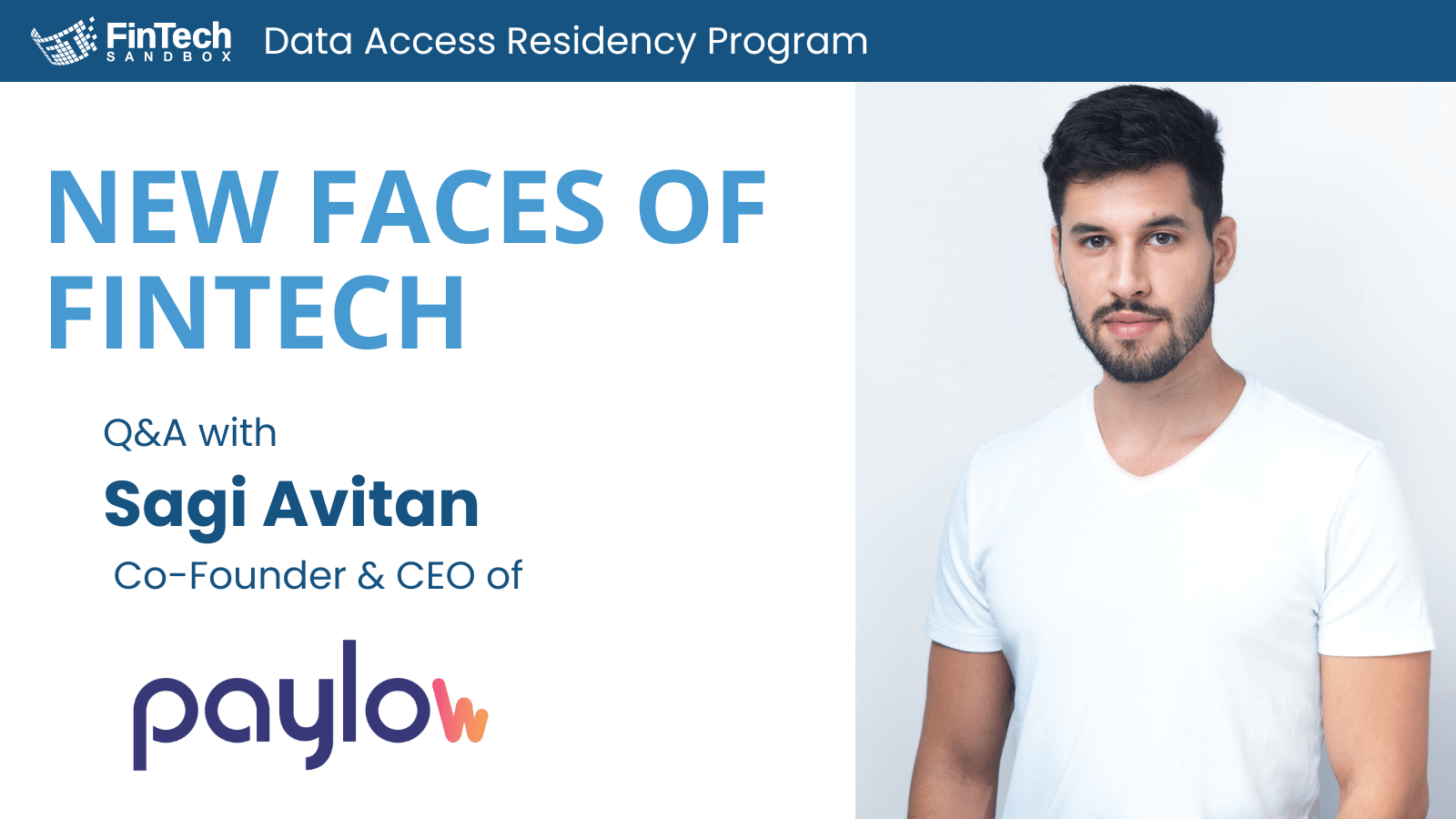
Our next guest is Sagi Avitan, Co-founder & CEO of London headquartered Paylow, which optimizes subscriptions to help people cut expenses, effortlessly.

paylow

Sagi, tell us a little bit about your background. What were you working on before founding this company?

Following several years as an Intelligence Officer in the Israeli Military, I worked in Business Intelligence firms and explored some independent ventures.

Tell us a bit about your company? What’s the problem you’re solving?

Paylow optimizes subscriptions to help people cut expenses, effortlessly.

Individuals are increasingly frustrated with the time and effort required to manage recurrent expenses, the lack of transparency in pricing and the cumbersome process of switching services. When the cost of living crisis is undeniable, especially in the UK, we’re proud to provide a solution that actively reinforces the consumer’s financial wellbeing.

What’s the origin story behind your company? How and why did you come up with the idea?

We examined ways to improve the financial lives of common individuals. One of the essential financial bits of advice is taking care of recurrent expenses – not only because they pile up, but since people tend to become apathetic and treat them as inevitable. We looked at the soaring subscription model and found it’s a prevalent unsolved field – working great for businesses, yet not well handled by consumers. Struck by the domain’s richness, we chose to apply a scientific approach to address this pain, aiming to make it both impactful and commercially perfected.

What milestones has your company achieved so far?

We just released our product to a closed group of early users, raised early funds, obtained a license from the UK’s FCA and already signed commercial partnerships.

Can you describe what it’s been like to be part of the FinTech Sandbox community?

Despite our data ask being a bit uncommon (in terms of market), the Fintech Sandbox team introduced us to multiple companies and stakeholders in the UK, which was more effective than doing it independently.

What’s next for your company?

It’s an exciting time for Paylow.

In parallel with refining our product performance and enriching its offering to support our B2B2C strategy, we’re currently in advanced discussions to collaborate with several prominent UK brands for services yet to be seen in the domain.

What is some of the best advice you’ve received as a startup founder?

There’s actually one I remind myself frequently to mentally handle the radical volatility of startups: not evaluate ourselves based on the struggles of a particular day. As long as we keep progress every week or two – we’re on track.

What fintech trends are you most excited about right now?

Hard to choose, though I’ll go with the combination of Open Data and Embedded Finance. 

Leveraging this noble approach with an innovative trend, gradually leads to symbiotic mechanisms which remove barriers for new products and business models to thrive.

What’s the most interesting thing you’ve read recently?

“Brief Answers to the Big Questions”, by Stephen Hawking.